



Beanotown comic

Take A Look Inside: Minnie and the Camp of Chaos!

Make Your Day Brighter With Beano & Dandy Summer Specials!

Learn To Draw with our Beano Art Book!

Take A Look Inside: The Day The Teachers Disappeared!

🎅🏻 Sssh! You’ve Just Found Beano’s Secret Stocking Filler! 🎄

Get Your Hands on Beano's Christmas Special 2023 - It's a Cracker!
Sponsored
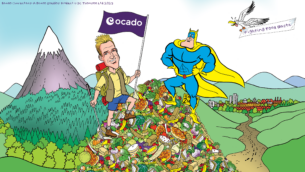
Ocado Help Ben Fogle and Bananaman To Fight Food Waste In Beanotown!

See All Beano's Birthday Competition Runners-up Here!

See All Beano's Birthday Competition Winners Here!

Take A Look Inside: Beano The Ultimate Guide!
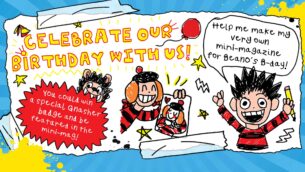
Celebrate Our Birthday With Us!
Get Your Hands on Beano's Christmas Special 2023 - It's a Cracker!

Britain’s Funniest Class 2023 - How the Voting Worked

Thanks for all the Lols, David

This Week’s Issue of Beano: Try Before You Buy!

Meet Jack!

Meet Diane!

Meet Cruncher Kerr!

Meet Dodge Cat!

Meet Billie Whizz!

Meet George Whizz!

Add a Little Ho-Ho-Ho To Your Holidays with The Beano!


